
Premium Printed Cardboard Packaging with Advanced Processes
We accept customization of all types of Gift Boxes, Gift Packaging Boxes, and Craft Boxes. If you have unique designs with logos or slogans, we use high-definition custom printing to create silk scarves that promote your brand. If you don’t have a design available, you can choose from
Tailored Packaging & Custom Manufacturing
Excellent Cushioning Performance
Corrugated cardboard has numerous internal gaps, and its structural design gives the boxes excellent shock absorption. During transportation, corrugated boxes effectively absorb collisions and impacts, protecting the contents from damage.
Lightweight and Stable
The hollow structure of corrugated boxes allows for the construction of a high-strength box using less material. Compared to wooden boxes of the same volume, corrugated boxes are lighter without sacrificing stability.
Good Printability
The smooth surface of corrugated boxes is suitable for high-quality printing. Businesses can print beautiful patterns and text on the boxes, not only beautifying the products but also providing excellent advertising.
Environmentally Friendly and Recyclable
Corrugated boxes are a recyclable packaging material. They can be reused multiple times and recycled after disposal, aligning with environmental protection principles.
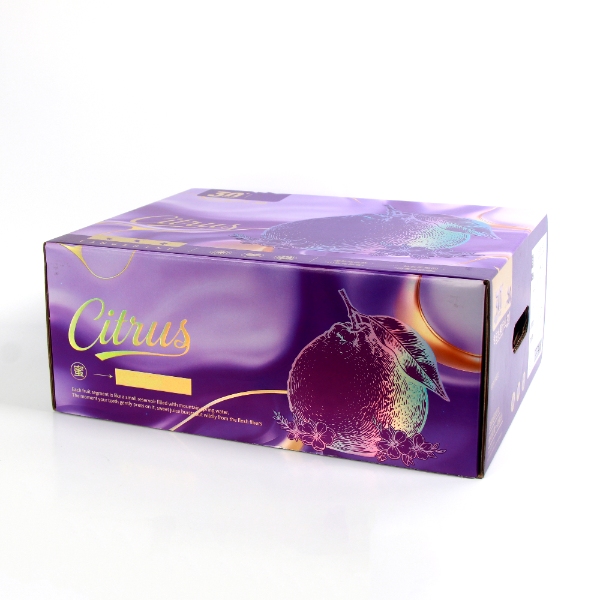
Custom Luxury Corrugated Fruit Box
Materials and Core Advantages
High-strength corrugated protection: Made with high-quality corrugated cardboard, offering excellent pressure and impact resistance, effectively cushioning against squeezing and vibration during transport, protecting fresh fruits such as citrus and oranges from damage.
Purple-Toned Luxury Color Printing: The outer layer is covered with purple gradient paper, paired with gold foil stamping and fruit line art, creating a sophisticated and bright color scheme with an inherent luxurious feel, significantly enhancing the quality of the fruit gift box.
Integrated handle design: Features a built-in handle hole on the side, eliminating the need for an additional carrying bag, making it convenient to handle and enhancing the gifting experience.
Food-grade safety and environmental protection: The corrugated material is safe and odorless, suitable for direct contact with food, and supports customized specifications and printing content to meet the needs of various fresh fruits.
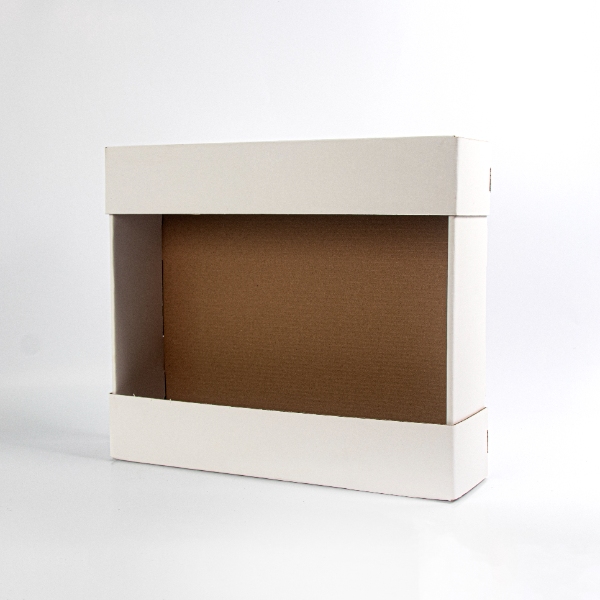
Corrugated Window Display Box
Material and Core Advantages
White Cardboard Coating: The outer layer is coated with high-whiteness cardboard, with a smooth and flat surface, allowing for direct printing of logos, patterns, or lamination. It boasts a premium feel and suits various brand styles.
Double-Layer Corrugated High-Strength Protection: The inner layer uses a corrugated structure, offering excellent pressure and impact resistance, effectively protecting the product inside while maintaining the box’s sturdiness and preventing deformation.
Large Window Display Design: A large, unobstructed window on the front allows for a direct view of the product, creating a built-in display effect without the need for additional display racks, increasing shelf exposure.
Lightweight and Cost-Effective: The overall structure is lightweight, resulting in low transportation costs. Custom sizes are available to suit various product needs.
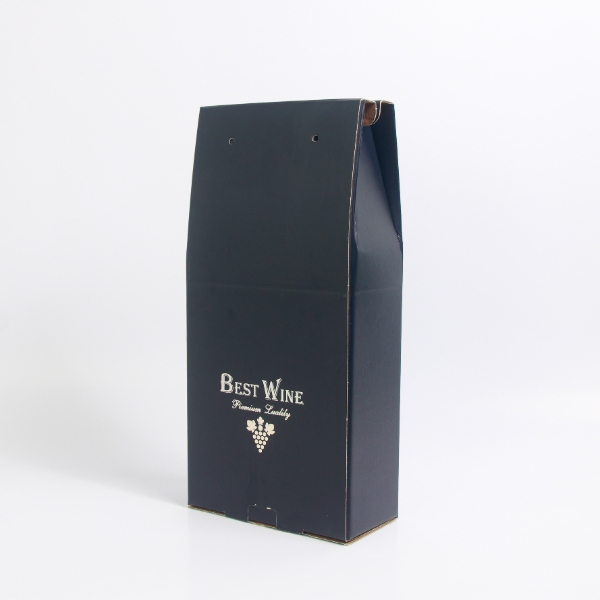
Double-Layer Corrugated Wine Gift Box with Window
Materials and Core Advantages
Double-Layer Corrugated High-Strength Protection: Utilizing a double-layer corrugated structure, it offers stronger pressure and impact resistance than ordinary single-wall corrugated boxes, effectively resisting squeezing and impacts during transportation and protecting the wine bottle from damage.
Laminated Facial Paper + Printing Process: The outer layer is coated with matte/glossy film, waterproof and scratch-resistant, and supports hot stamping, UV coating, and logo printing, enhancing the gift box’s sophistication while clearly showcasing brand information.
Integrated Window + Handle Design: The front features dual-bottle windows for a direct view of the bottle; a built-in folding handle eliminates the need for an additional carrying bag, making it convenient for gifting and carrying.
Cost-Affordable + Highly Customizable: The lightweight and cost-effective corrugated material allows for customization of the inner tray and window size according to bottle dimensions, accommodating different sizes of wine bottles.
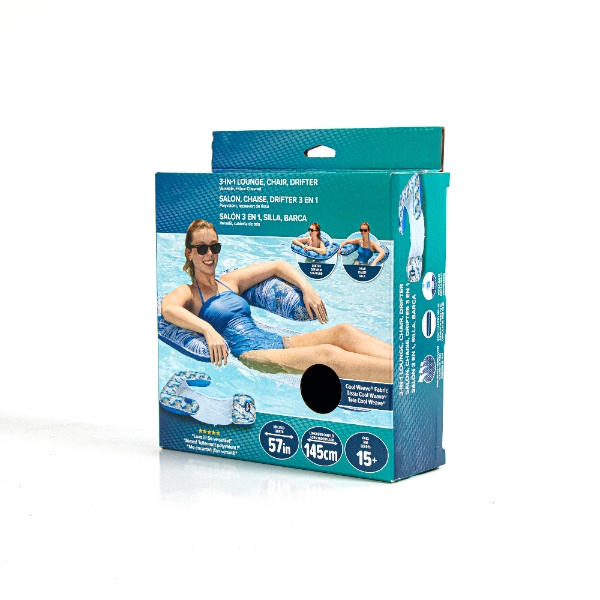
Outdoor Swimming Pool Buoy Corrugated Box with Color Printing
Materials and Core Advantages
High-strength corrugated protection: Made of high-quality corrugated cardboard, sturdy and durable, with excellent pressure and drop resistance, effectively protecting swimming pool buoys and preventing deformation during transportation.
Multilingual full-color printing: The box supports printing in Chinese, English, and Spanish, accurately displaying product usage scenarios, features, and specifications. Bright colors meet the needs of European and American export orders.
Hanging holes + window design: The top features hanging holes for direct display on supermarket shelves; the side window design provides a clear product display, enhancing product visibility.
Self-locking bottom structure design: The self-locking bottom structure facilitates easy assembly without additional tape reinforcement, improving packaging efficiency while ensuring the box remains sturdy and doesn’t easily fall apart.
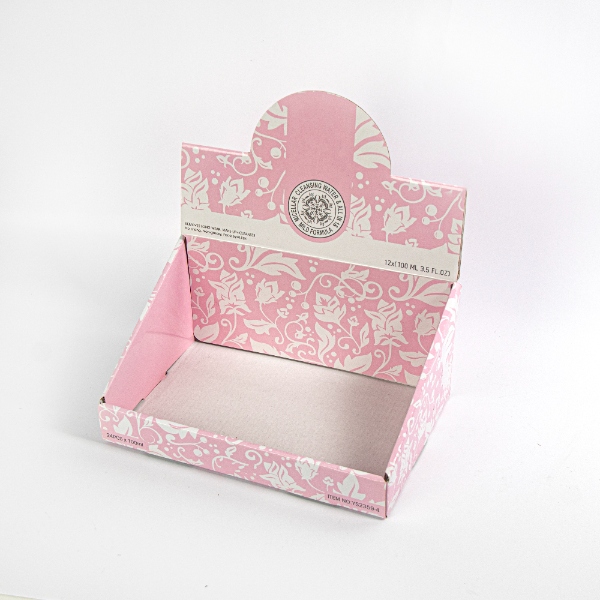
Corrugated Display Box for Beauty Products
Material and Core Advantages
Vertical Display Design: Features a raised back panel and hanging holes, allowing direct use on supermarket shelves. It provides a built-in display effect, eliminating the need for additional display racks and significantly increasing product exposure.
Pink-toned Printing: The box surface features a pink and white floral print, paired with the brand logo and product information. The fresh and soft colors perfectly match the tone of beauty and skincare products, attracting consumers’ attention.
Durable and Lightweight Corrugated Material: Made of high-quality corrugated cardboard, it is sturdy, durable, and resistant to deformation, while remaining lightweight, reducing transportation and display costs.
Customizable Specifications and Information: The internal size of the box can be customized according to the product quantity. It also supports printing product specifications, selling points, and certification information, adapting to the needs of various beauty products.
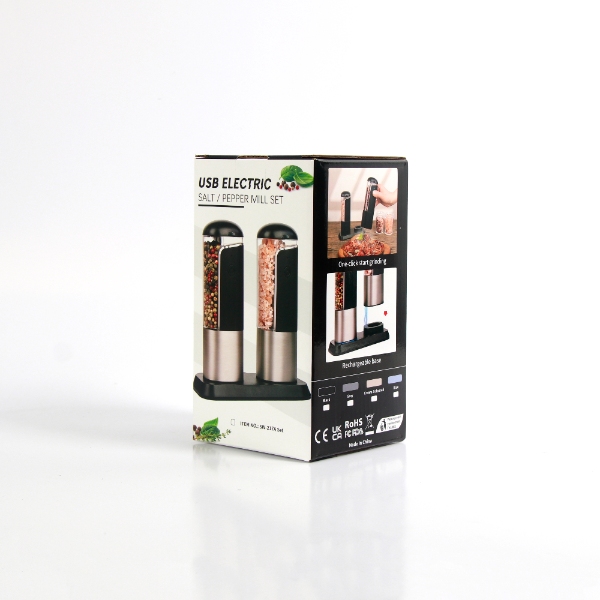
Small Appliance Corrugated Packaging Boxes
Materials and Core Advantages
High-strength corrugated protection: Made of high-quality corrugated cardboard, sturdy and durable, with excellent pressure and drop resistance, effectively protecting small appliances such as electric grinders from damage during transportation.
Full-color high-definition printing process: The box surface can reproduce product images, usage scenarios, functional selling points, and certification information 1:1, with bright colors and intuitive information, enhancing product presentation.
Self-locking bottom structure design: The self-locking bottom structure allows for easy assembly without the need for additional tape reinforcement, improving packaging efficiency while ensuring the box remains sturdy and less prone to falling apart.
Compliance information printing: Can print product models, CE/UK/ROHS certifications, specifications, etc., adapting to the compliance requirements of export and domestic e-commerce platforms.
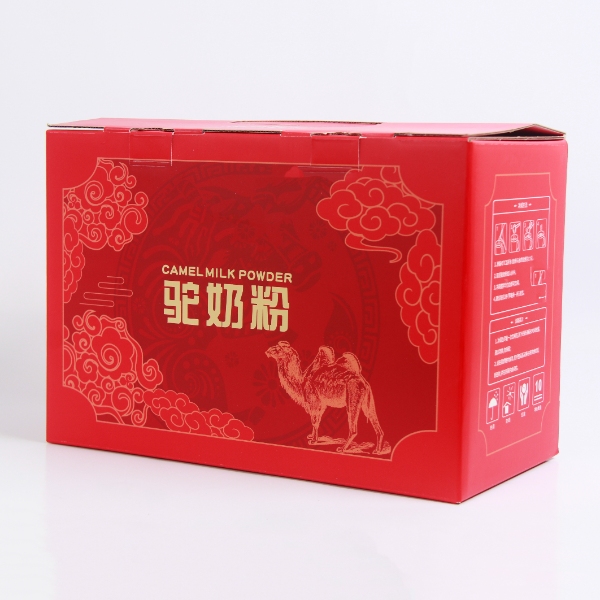
Color-Printed Corrugated Gift Box
Materials and Core Advantages
High-strength Corrugated Protection: Made of high-quality corrugated cardboard, sturdy and durable, with excellent pressure and drop resistance, effectively protecting the products inside the box, suitable for express delivery and stacked storage.
Foldable Quick-Assembly Design: One-piece folding structure, no additional tape required, quick and convenient assembly, saving packaging time and labor costs.
Food-Grade Safety and Environmental Protection: Corrugated material is safe and odorless, suitable for direct contact with food, and supports customized specifications and printing content to meet various product needs.
The Process of Customizing Packaging Boxes

Contact Customer Service

Quotation and Order Placement

Sample Confirmation

Production Scheduling
Production and Manufacturing
Product Inspection
Packing and Warehousing
Settlement and Shipment
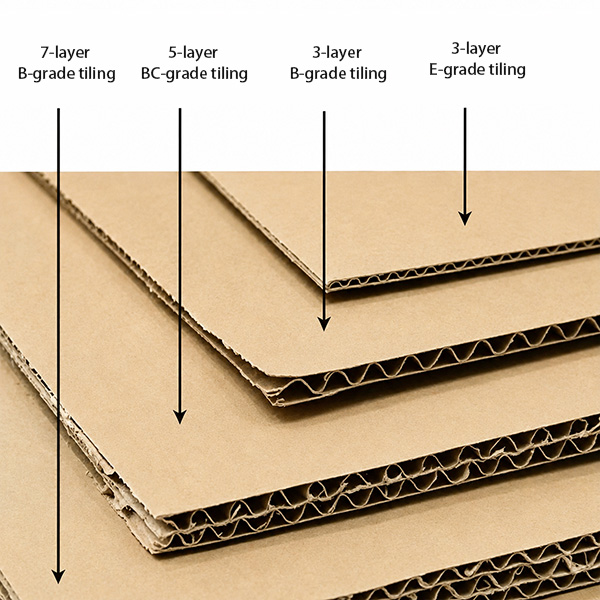
Based on the number of paper layers
Corrugated cardboard has numerous internal gaps, and its structural design gives the boxes excellent shock absorption. During transportation, corrugated boxes effectively absorb collisions and impacts, protecting the contents from damage.
Lightweight and Stable
The hollow structure of corrugated boxes allows for the construction of a high-strength box using less material. Compared to wooden boxes of the same volume, corrugated boxes are lighter without sacrificing stability.
Good Printability
The smooth surface of corrugated boxes is suitable for high-quality printing. Businesses can print beautiful patterns and text on the boxes, not only beautifying the products but also providing excellent advertising.
Environmentally Friendly and Recyclable
Corrugated boxes are a recyclable packaging material. They can be reused multiple times and recycled after disposal, aligning with environmental protection principles.
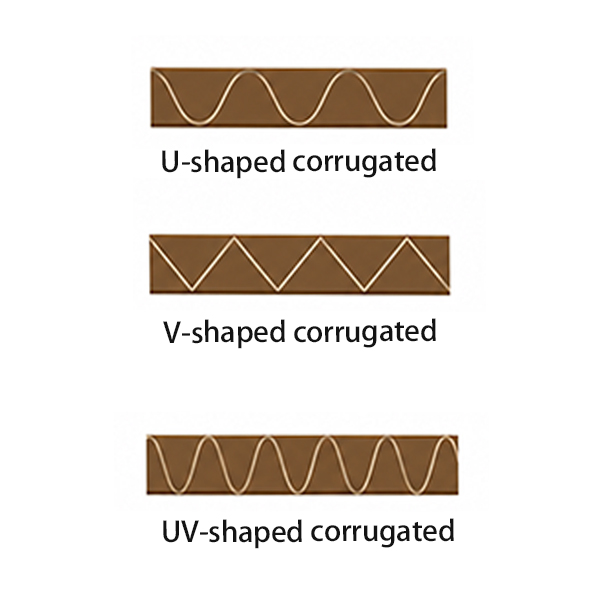
Classification by flute shape
U-shaped flute: The top of the flute is rounded, offering good elasticity and cushioning performance, but lower flat compressive strength.
V-shaped flute: The top of the flute is pointed, offering high flat compressive strength, but poor elasticity and cushioning performance.
UV-shaped flute: Combining the characteristics of U-shaped and V-shaped flutes, it possesses both a certain degree of elasticity and cushioning performance, as well as high flat compressive strength. It is currently the most commonly used flute shape in the market.
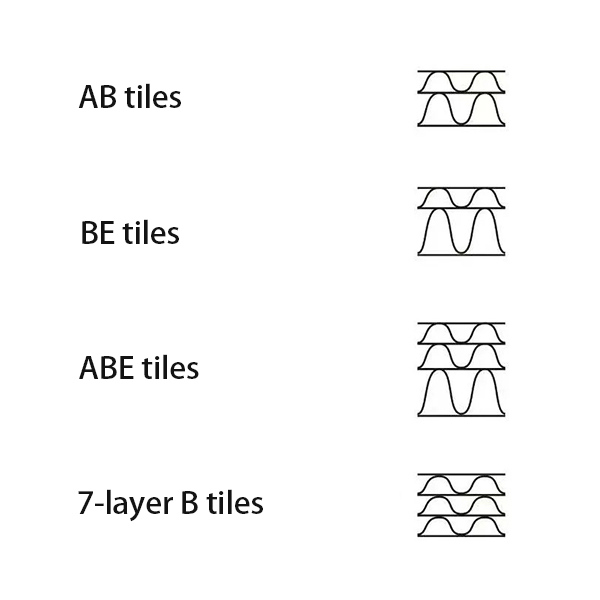
Layered and stapling methods
Common cardboard boxes are divided into three-layer and five-layer. Products that are not easily damaged by pressure generally choose three-layer boxes (but the quality of the three-layer cardboard box must be good, and it must be sealed and waterproof). Products that are sensitive to pressure and shock, as well as valuable electronic products, generally use five-layer cardboard boxes.
Common cardboard box types include: full-top, half-top, and top-and-bottom box. Factory packaging boxes generally use full-top boxes; merchant goods almost always use half-top boxes; while top-and-bottom box boxes are mostly used for gift packaging boxes, jewelry boxes, shoe boxes, etc.
The most common methods are gluing and stapling. Stapling usually involves three staples. When the paper is not easily damaged, stapling is a very reliable bonding method.
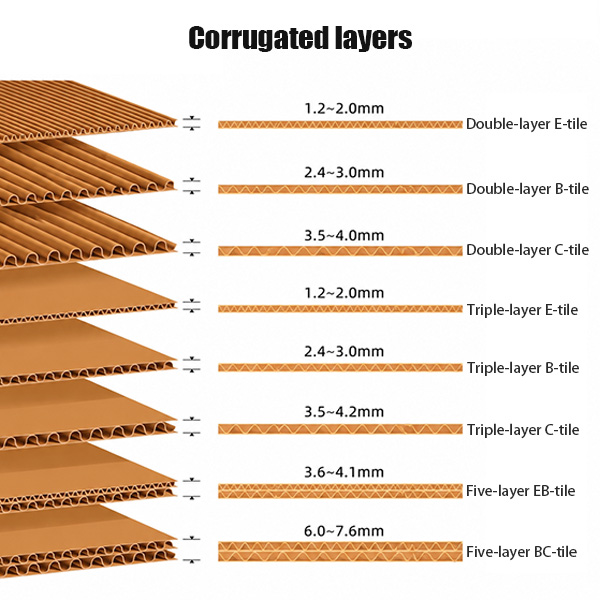
Classification by flute
A-flute: Flute height 4.5mm-5.0mm, approximately 34 flutes within 30mm, reduction ratio 1.55. Characterized by fewer flutes per unit length and the highest flute height, providing greater cushioning force, suitable for packaging lighter items.
B-flute: Flute height 2.5mm-3.0mm, approximately 50 flutes within 30mm, reduction ratio 1.36. It has more flutes and the lowest flute height, suitable for packaging heavier and harder items. The resulting corrugated cardboard has a smooth surface, high load-bearing capacity, and is also suitable for printing.
C-flute: Flute height 3.5mm-4.0mm, approximately 38 flutes within 30mm, reduction ratio 1.47. The number of flutes and flute height per unit length are between A-flute and B-flute, with performance close to A-flute.
E-flute: Flute height 1.1mm-2.0mm, approximately 96 flutes within a 30mm diameter, reduction ratio 1.26. It is characterized by its thinness, density, and light weight, and good vertical pressure strength, making it suitable for elegant inner packaging.
Other flute combinations: such as AB flute, BC flute, BBC flute, etc., combine the characteristics of different flute types to meet specific packaging needs.
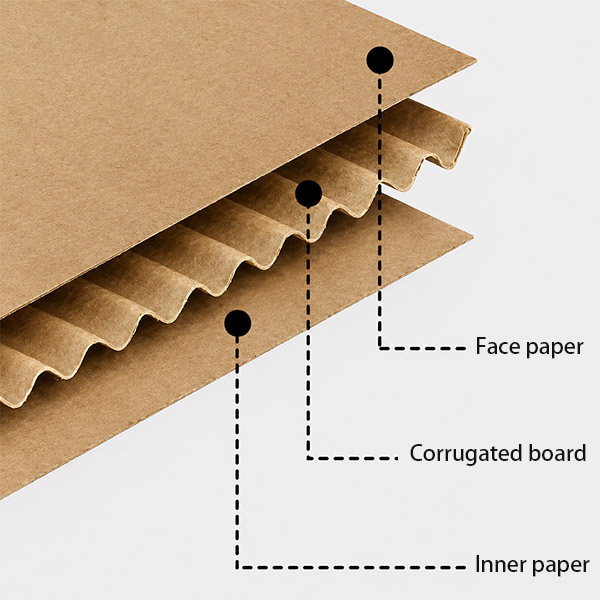
Composition of Corrugated Cardboard
Face paper: The outermost layer of paper laminated to the corrugations; face paper is usually thicker, commonly with a grammage >250g.
Corrugated paper: Also called fluted paper, this is the middle layer of paper with undulating corrugations; commonly A-flute, B-flute, C-flute, or E-flute.
Liner/Bottom paper: The bottom layer, corresponding to the face paper, commonly with a grammage of 100~140a.
Common colors for face paper and liner paper: white, natural color.
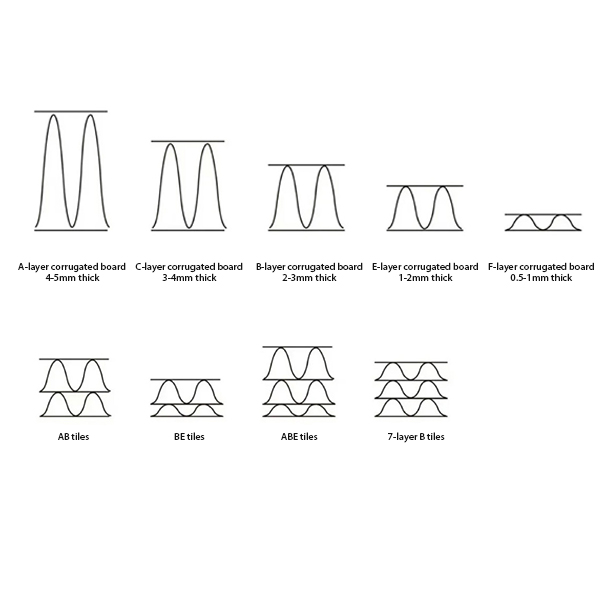
Classification of Corrugated Paper/Firmboard
A-flute: Large flute, highest compressive strength, used for outer cartons and partitions.
B-flute: Small flute, lower strength but good stability, used for cartons, boxes, and inner linings.
C-flute: Medium flute, strength between A and B, economical price, widely used domestically.
E-flute: Micro-flute, thin, lightweight, and with good cushioning, used for high-end packaging, not suitable for outer packaging cushioning.
F-flute: Extremely thin flute, used for packaging hamburgers, snacks, digital cameras, refrigerated goods, etc.
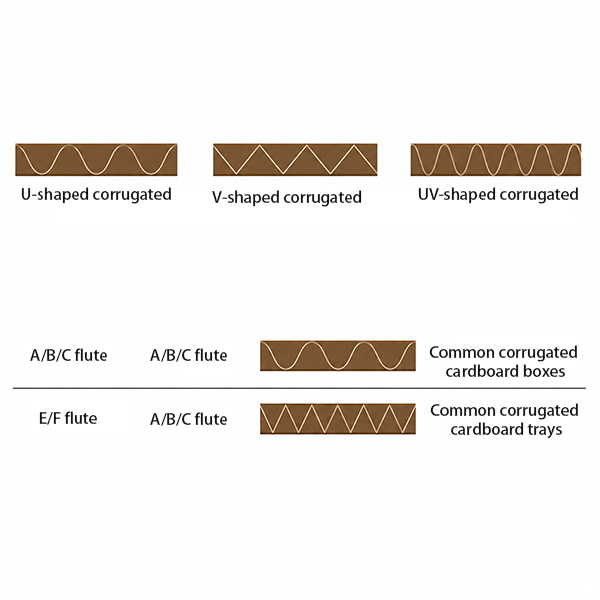
Corrugated Wave Shapes
V-shaped corrugation: Approximately triangular in shape, it stands upright well, but has poor recovery and adhesion.
UV-type corrugation: Compared to the previous two, it has higher compressive strength. UV-type corrugation is currently more popular in the market and offers better performance.
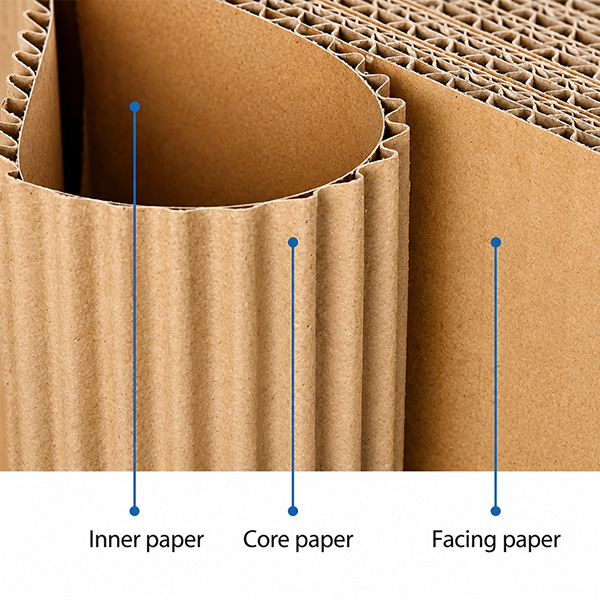
Three-layer Structure of Corrugated Board
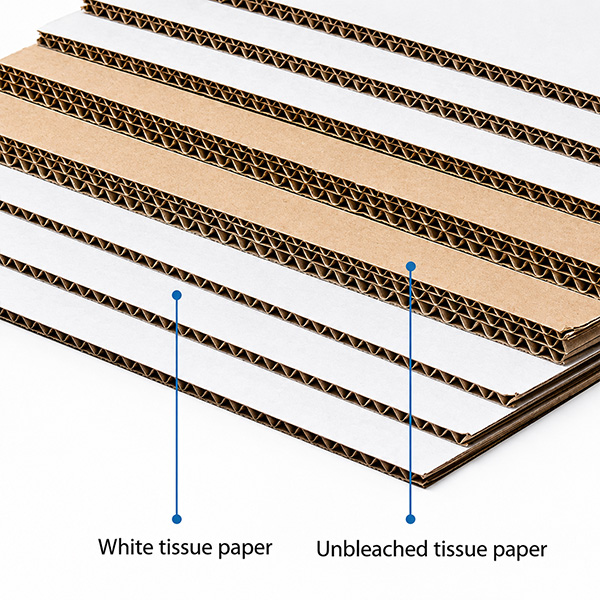
Options for Corrugated Board Paper
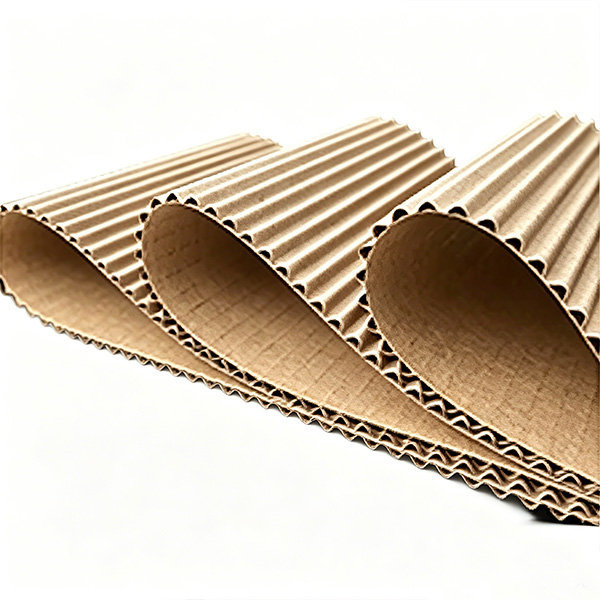
Double-layer corrugated cardboard
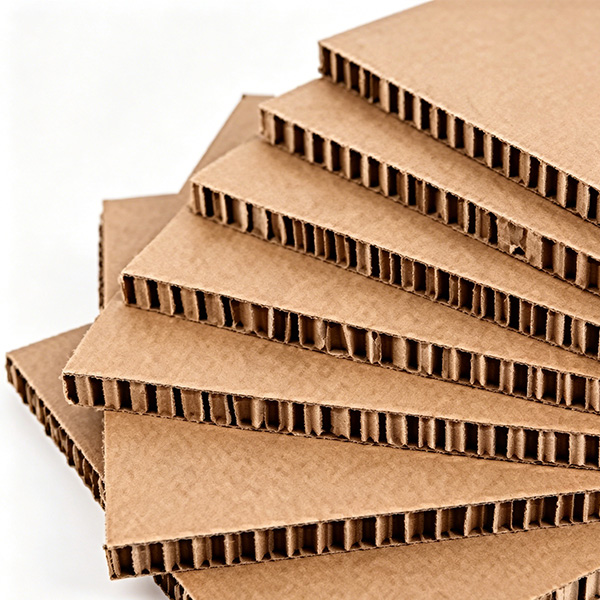
Honeycomb panels
-
Q1: What is the technical difference between Single-Wall, Double-Wall, and Triple-Wall Corrugated Boxes?
A: The configuration of the box determines its ultimate compression strength, its puncture resistance and its payload.
Single-Wall Corrugated Boxes (3-Ply / 三层坑箱): A single wavy fluted medium thickness layer is sandwiched between two flat thickness linerboards. Single-Wall Corrugated Boxes are our standard shipping mailers used for e-commerce, fast-moving consumer goods (FMCG) and inner product packaging in retail environments. They can hold loads of up to 10kg - 15kg and are cost effective for larger volume usage.
Double-Wall Corrugated Boxes (5-Ply / 五层坑箱): The boxes are made up of two layers of fluted mediums in the middle that are split by a center linerboard and both layers are then wrapped by two outer liners such as AB-flute or BC-flute. The recommended use for these types of packaging materials are for heavy electronics, automotive parts, long distance global shipping, and for stacking in maritime containers with payloads of up to 30kg - 40kg.
Triple-Wall Corrugated Boxes (7-Ply / 七层坑箱): triple fluted mediums triple layered, four liners, industrial grade triple wall corrugated box that can substitute for heavy wood crates for very large bulk items such as bulk chemical drums, heavy machinery parts and machinery in general that are very large and heavy weighing up to 100kg+ and above. -
Q2: How do we choose the right flute profile (A, B, C, E, or Combined Flutes) for our packaging contract?
A: There are different profiles. The goal of a profile is to optimize the stacking strength of layers, and the surface smoothness that is required for printing on the layers.
A-Flute (4.8mm) / C-Flute (4.0mm): For vertical top-to-bottom compression and cushioning – ideal for warehouse stack patterns.
B-Flute (approx. 3.2mm) & E-Flute (approx. 1.6mm): These corrugations feature very short and close spaced flutes. They have excellent flat crush resistance and produce a smooth surface liner with minimal “washboarding”. These corrugations are very suitable for crisp printing with flexographic ink or high-definition litho-laminated graphic printing.
Combined Flutes (e.g. BC or AB Flutes): The densest flute, paired with a tall flute to provide the highest structural stacking strength, while providing excellent external puncture resistance to withstand tough shipping environments. -
Q3: What is the difference between Edge Crush Test (ECT) and Mullen Burst Test ratings on corrugated packaging?
A: These two metrics allow to assess different structural safety aspects of a global supply chain.
Edge Crush Test (ECT): The test measures the cross-sectional compression strength of the corrugated board along the vertical edge of the board. This test result is key when boxes are going to be stacked on top of each other in a warehouse pallet arrangement. Therefore we recommend to check for high test results such as 32 ECT, 44 ECT or even 50 ECT.
Mullen Burst Test (Bursting Strength): This test measures the hydrostatic pressure required to rupture or puncture the flat face of corrugated board. It indicates how well the box resists damage from rough handling and from inside shifting of contents as well as puncture damage from outside sources during the shipping process. The standard premium grades of corrugated board have a bursting strength of between 200 lbs/sq.inch and 350 lbs/sq.inch. -
Q4: How does your factory protect corrugated boxes from collapsing or softening during long-distance maritime shipping?
A: Excessive humidity in a container can destroy the fibers in normal grade of paper used in corrugated to cause it to become structurally soft. We prevent this from happening by using High-Sizing Waterproof Liners in our corrugated boxes and by adding moisture-resistant resin compounds into our starch adhesive lines. For shipments that are to be transported as cold-chain products or for agricultural products, we can also apply an Advanced Hydrophobic Poly-Coating or a Wax-Free Eco-Shield Barrier to the inner surface and the outer surface of our liners. This prevents normal ambient sea moisture from penetrating into the flutes of the corrugated box and from causing the corrugated box to become structurally soft thereby allowing the boxes to be stacked to their full ECT ratings while in transit around the world. -
Q5: What is Litho-Lamination (Offset Corrugated), and when should we choose it over standard Flexographic printing?
A: The choice depends on the visual positioning of your retail or e-commerce brand:
Direct Flexographic Printing (High-Speed Eco-Print): The print is directly applied to the corrugated board by the automated inline folder-gluers. This is cost effective and fast print process that can be used for shipping cartons, logistics master cases and simple outer mailers with line logos and/or typography.
Litho-Lamination (High-Definition Offset Printing) We print your artwork of the highest quality using our premium German clay-coated white cardboard face stock in our multi-color Heidelberg offset presses. The printed sheet is then laminated to the open corrugated flutes using a permanent adhesive. This is the Industry Standard method for printing high detail such as photographs, also reproducing the finest halftone and color gradients. It also allows for high end finish such as spot UV, matte lamination and hot foil stamping, ideal for electronics boxes, subscription boxes and countertop point of sale displays.